October Monster Mash: Dracula (1931) – Bela Lugosi’s Eternal Reign of Terror
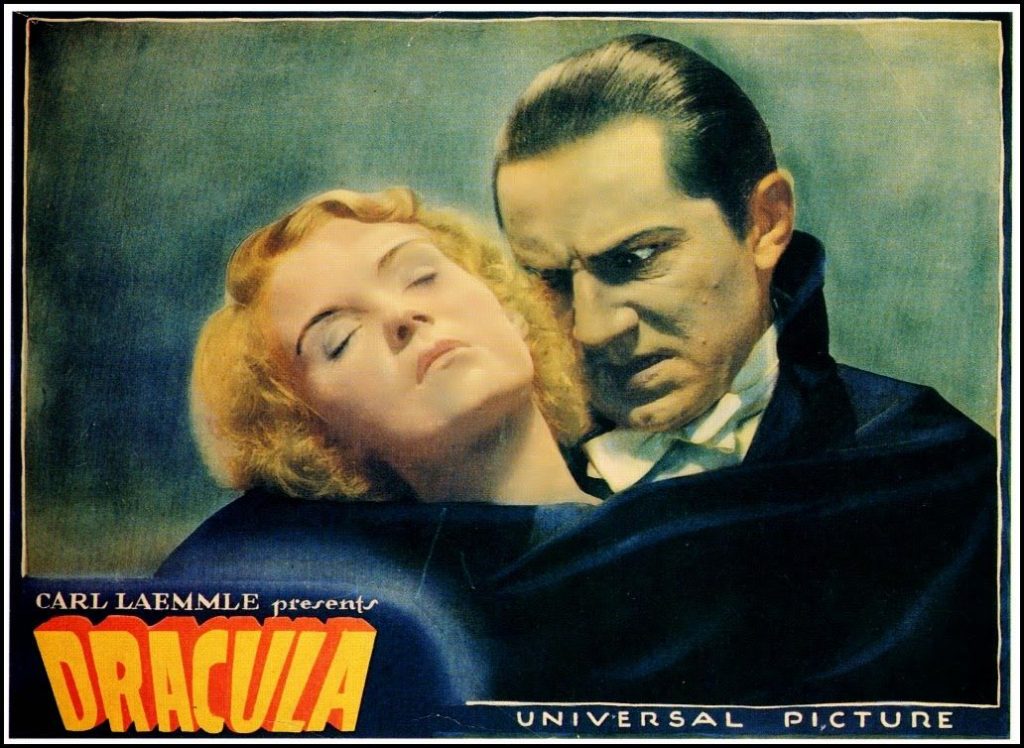
Welcome back to the October Monster Mash, where we raise the dead, chase shadows, and tip our hat to the timeless titans of terror. Today, we pull back the velvet curtains and descend into the crypt of cinema’s most charismatic bloodsucker—Count Dracula, as immortalized by Bela Lugosi in Universal Pictures’ 1931 masterpiece.
When Lugosi first stepped out of the shadows with that thick Hungarian accent, mesmerizing stare, and impeccable style, he didn’t just play Dracula—he became Dracula. And no Halloween season is complete without his chilling presence.
“I am… Dracula.”
With those three simple words, Bela Lugosi introduced the world to a new kind of monster—one who didn’t need claws, fangs (at least not visibly), or grotesque makeup to terrify. His Dracula was elegant, calm, and terrifying in his stillness.
Directed by Tod Browning, Dracula was adapted from Bram Stoker’s novel, but filtered through the lens of the popular 1920s stage play. As such, the film feels theatrical, with long silences, lingering shots, and gothic staging—all of which add to its eerie, dreamlike atmosphere.
And at the center of it all is Lugosi, cloaked in black, gliding through shadows, eyes glowing, voice dripping with Old World charm. No one had seen a monster quite like this before.
A Vampire for a New Era
Universal’s Dracula wasn’t the first vampire film (1922’s Nosferatu came earlier), but it was the one that solidified the image of Dracula we know today: the tuxedo, the cape, the castle, and the hypnotic charm.
Where Nosferatu’s Count Orlok was a rat-like creature of disease, Lugosi’s Dracula was a seducer—a monster hiding behind civility. That duality is what made him so frightening, especially to 1930s audiences still reeling from war, depression, and rapid modernization.
He didn’t have to chase his victims—they came to him willingly.
Gothic Atmosphere and Legendary Lines
Dracula (1931) is steeped in classic gothic horror—from the cobwebbed Castle Dracula to the fog-filled streets of London. Cinematographer Karl Freund, fresh off Metropolis, brought a German Expressionist touch to the visuals, enhancing the dreamlike dread with shadows and stark contrast.
And of course, the film is packed with lines that echo through horror history:
- “Listen to them… children of the night. What music they make!”
- “There are far worse things awaiting man than death.”
With these lines, Lugosi cemented Dracula’s mystique—not as a rampaging beast, but as an articulate, philosophical predator.
Legacy in Blood
Dracula was a runaway success and kickstarted Universal’s golden age of monster movies. It paved the way for Frankenstein, The Mummy, The Wolf Man, and more. Lugosi became a household name, though tragically typecast and later underappreciated in his lifetime.
Still, his Dracula looms large. From Abbott and Costello Meet Frankenstein to Hotel Transylvania, Lugosi’s influence lives on in every Dracula that followed. Even Christopher Lee, Gary Oldman, and Count Chocula owe a debt to Bela’s version.
Final Thoughts: An Undead Legend Never Dies
As part of our October Monster Mash, it’s impossible to overstate the importance of Dracula (1931). It was the moment horror grew fangs and found its voice—not in screams, but in soft, measured tones with a foreign accent and hypnotic presence.
So draw the curtains, dim the lights, and take a seat by candlelight. Count Dracula is waiting, and he never needs an invitation to enter your nightmares.